| English for Academic and Professional Purposes | ||
| COURSE GUIDE | ||
| Course Description and List of Competencies: | ||
| The development of communication skills in English for academic and professional purposes. | ||
| TARGET DATE | TOPIC | EXPECTED OUTPUTS |
| Weeks 1 – 3 | Reading Academic Texts* | |
| June 3 – 7, 2019 | 1. Structure of Academic Texts | 1. Reading Exercises / Tests |
| 2. Language Used in Academic Texts | ||
| 3. Specific Ideas in Academic Texts | ||
| June 10 – 14, 2019 | 4. Extracting Information through Text Structure | 2. Reading Exercises / Tests |
| 5. Various Techniques in Summarizing Academic Texts | ||
| 6. Thesis Statement | ||
| June 17 – 21, 2019 | 7. Outlining | 3. Outlined Documents |
| 8. Paraphrasing | 4. Paraphrased Documents | |
| 9. Summarizing Academic Texts | 5. Summarized Documents | |
| 10. Writing a Précis / Abstract / Summary | 6. Collection of Written Précis/ Abstract/ Summary of texts in the various disciplines | |
| Weeks 4 – 6 | Writing the Reaction Paper/Review/ | |
| Critique | ||
| June 24 – 28, 2019 | 1. Forming Opinions Based on Fact | 1. Essay |
| 2. Supporting Claims with Specific Sources | 2. Debate | |
| 3. Persuasive and Appropriate Presentation of Ideas | ||
| July 1 – 5, 2019 | 4. Language Used in Specific Disciplines | |
| 5. Critical Approaches | ||
| July 8 – 12, 2019 | 6. Principles of Writing Effective Reviews and Critiques | 3. Assessment Paper |
| 7. Writing Reviews / Critiques | 4. Review / Reaction Paper | |
| 5. Critique Paper | ||
| Weeks 7 to 10 | Writing the Concept Paper | |
| July 15 – 19, 2019 | 1. Concept Paper | 1. Annotated Concept Papers |
| 2. Uses of Concept Papers | ||
| 3. Types of Concept Papers | ||
| July 22 – 26, 2019 | 4. Text Development Strategies (Definition, Explication, Clarification) | 2. Paragraph Writing Exercises |
| July 29 – August 2, 2019 | 5. Writing Concept Papers | 3. Concept Paper |
RAWS Topic Guide 2019
| TARGET DATE | TOPIC | EXPECTED OUTPUTS |
| The Written Text | ||
| June 3 – 7, 2019 | 1. The Written Text as Connected Discourse | 1. Reading Exercises |
| 2. Techniques in Selecting and Organizing Information | ||
| a. Brainstorming list | ||
| b. Graphic organizer | 2. brainstorming list | |
| c. Topic outline | 3. graphic organizer | |
| d. Sentence outline | 4. topic outline | |
| 5. sentence outline | ||
| 3. Patterns of Text Development | ||
| June 10 – 14, 2019 | a. narration | 6. Compilation of Annotated Paragraphs & Original Paragaphs |
| June 17 – 21, 2019 | b. description | |
| June 24 – 28, 2019 | c. definition | |
| July 1 – 5, 2019 | d. exemplification / classification | |
| e. comparison and contrast | ||
| f. cause and effect | ||
| g. problem – solution | ||
| h. persuasion | ||
| July 8 – 12, 2019 | 4. Properties of a Well-Written Text | 7. Critique Paper with focus on |
| July 15 – 19, 2019 | a. Organization | |
| b. Coherence and Cohesion | ||
| c. Language Use | ||
| d. Mechanics | ||
| Text and Context Connections (Critical Reading) | ||
| July 22 – 26, 2019 | A. Critical Reading as Looking for Ways of Thinking | |
| 1. Explicit and Implicit Claims in a Text | 1. Reading Exercises | |
| 2. Context of Text Development | ||
| July 29 – August 2, 2019 | B. Critical Reading as Reasoning | |
| 1. Formulating Evaluative Statements | 2. 1000-word critique | |
| 2. Determining Textual Evidence | ||
RAWS Lesson 1
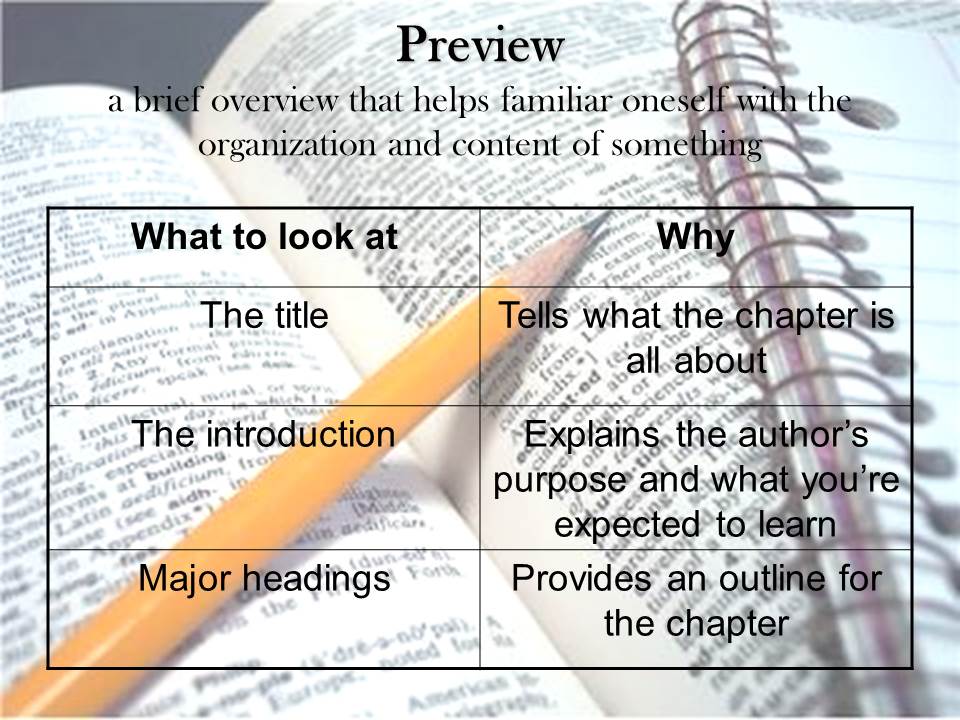
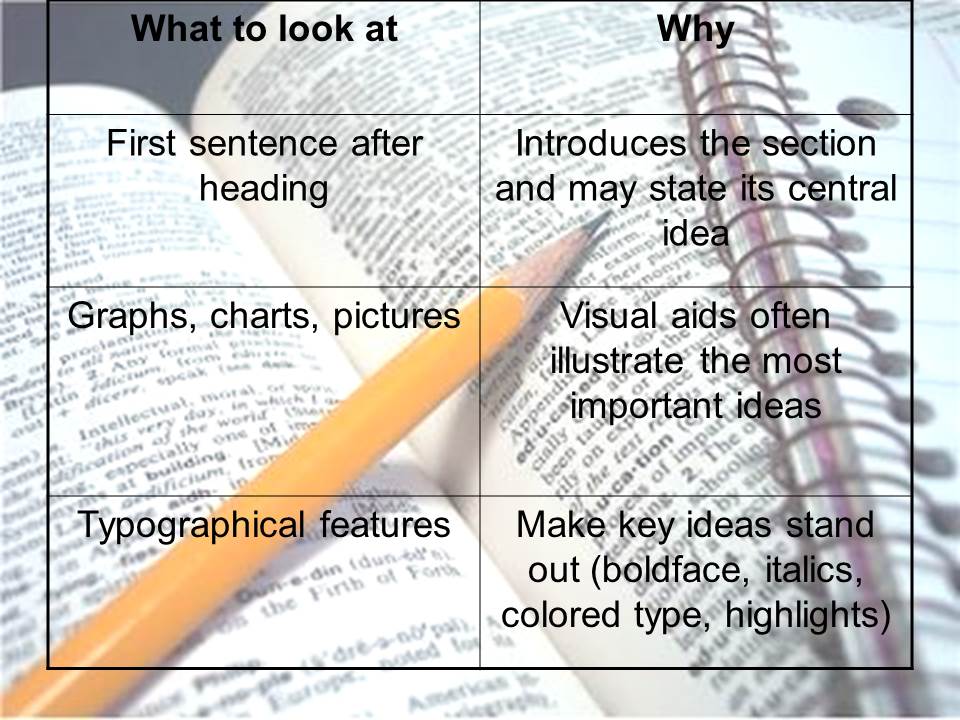
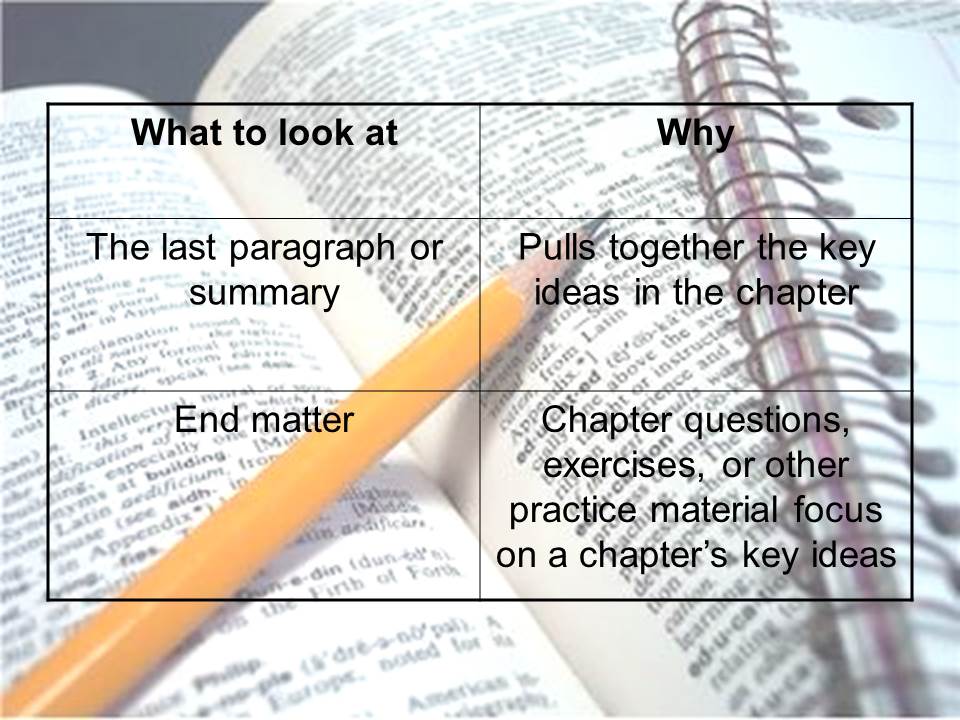
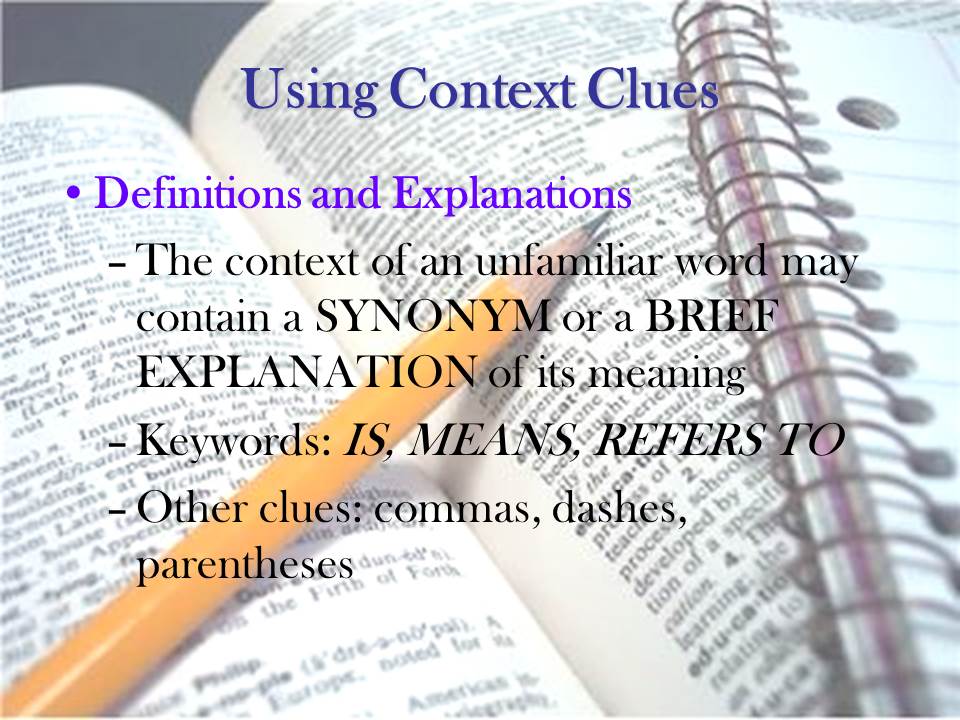
The Journey Begins
Thanks for joining me!
Good company in a journey makes the way seem shorter. — Izaak Walton

 QCSHS Senior High School English Courses